Source Electric Vehicles Nca Cathode Material for Cars, Buses, and UPS
Find 30 listings for electric vehicles nca cathode material suitable for cars, buses, and UPS systems. Compare specifications including nominal voltage, discharge rates, and packaging options from verified suppliers to identify the right components for your battery manufacturing needs; compare the available evidence and request quotations based on your requirements.
Key considerations
Products List









Comprehensive Sourcing Guide
Electric Vehicles NCA Cathode Material Sourcing Guide
Sourcing electric vehicle NCA cathode material requires distinguishing between finished battery components and raw chemical powders, as the market lists both distinct product types under similar search terms. Buyers must verify whether a listing refers to the specific Nickel-Cobalt-Aluminum oxide powder used in electrode manufacturing or a complete battery cell assembly, as the technical requirements and supply chain implications differ significantly. The observed product data indicates a mix of NCA powders and other chemistries like NMC and LFP, necessitating careful filtering to isolate the exact material grade required for high-performance EV applications.
Procurement teams should prioritize suppliers who explicitly define the chemical composition, specifically the Ni+Co+Al ratio, as this directly impacts energy density and thermal stability in electric vehicle batteries. The available data shows specific models with a Ni+Co+Al content of 59+-1.0%, which serves as a critical benchmark for high-nickel formulations. Buyers must confirm that the listed "NCA" designation aligns with the actual chemical formula and that the supplier does not conflate this with Cobalt Oxide or other classifications that may appear in broader product catalogs.
Product Scope and Observed Listing Signals
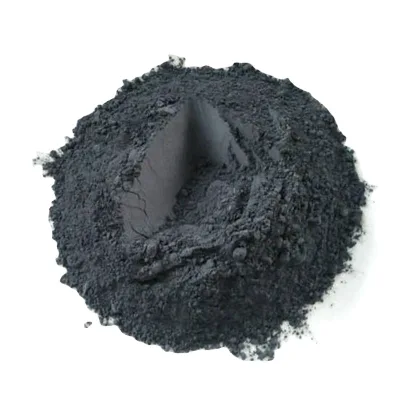
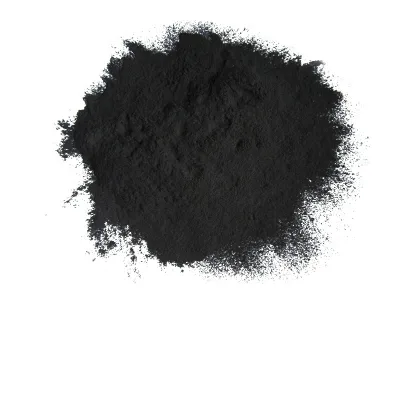
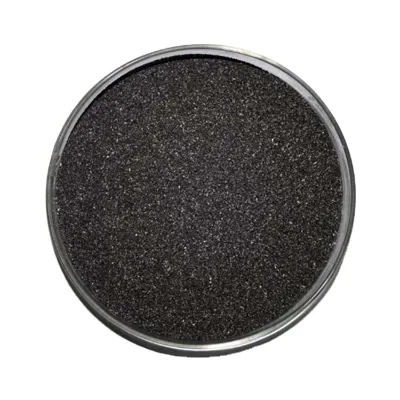
The current market listings for electric vehicle cathode materials reveal a wide variance in product forms, ranging from dark brown or black powders to pre-assembled square battery cells. While some entries describe raw materials with specific purity levels like 99.9%, others list complete battery units with nominal voltages of 3.2V intended for various applications including cars, buses, and electric bicycles. This diversity requires buyers to clearly define whether they are purchasing the active material for their own cell manufacturing or a finished power source, as the logistics and quality control protocols for each are fundamentally different.
Observations of packaging standards indicate a split between industrial bulk packaging, such as 25kg bags, and specialized vacuum sealing or carton options designed to protect moisture-sensitive powders. The presence of different separator types, including PE and PP, in the listings suggests that some products are finished cells while others are raw materials where separator selection is a downstream manufacturing decision. Buyers must scrutinize the "Appearance" and "Kind" attributes to ensure the material matches the specific electrochemical requirements of their target vehicle platform, avoiding confusion between acidic oxides and other chemical classifications.
Technical Specifications to Verify
Verifying the electrochemical performance of NCA cathode material is essential for ensuring the longevity and efficiency of electric vehicle battery packs. Buyers should demand data on first discharge capacity, with observed listings citing values exceeding 194.0 mAh/g, and first-cycle efficiency rates above 94%. These metrics are critical indicators of the material's ability to deliver high energy density while maintaining structural integrity over repeated charge and discharge cycles in demanding automotive environments.
Chemical purity and impurity control are equally vital, particularly regarding magnetic substances which can cause internal short circuits if present in excessive amounts. The available data specifies a total magnetic substance limit of less than 100ppb, a threshold that must be strictly adhered to for high-reliability EV applications. Additionally, moisture content must be monitored closely, as observed listings indicate levels around 350ppm, which can degrade performance if not managed through proper storage and handling protocols during the manufacturing process.
Compliance and Safety Documentation
Navigating the regulatory landscape for electric vehicle components requires rigorous verification of safety certifications and environmental compliance standards. The observed product data includes references to CE, ISO9001, and OHS certifications, which serve as foundational indicators of a supplier's commitment to quality management and occupational safety. However, buyers must confirm that these certifications are current and specifically cover the manufacturing processes for the NCA powder or battery cells being procured, rather than being generic corporate credentials.
Safety documentation must also address the chemical stability and handling requirements of the cathode material, particularly given the high decomposition temperatures and pH levels associated with these oxides. Listings mention decomposition temperatures up to 1080 degrees and pH values ranging from 12 to 15, which necessitate specific storage conditions and emergency response protocols. Procurement teams should request detailed Material Safety Data Sheets (MSDS) that align with these physical properties to ensure safe transport and integration into the vehicle supply chain.
Cost Drivers and Commercial Terms
The pricing structure for NCA cathode materials is heavily influenced by the volatility of raw metal markets, specifically nickel, cobalt, and aluminum, which are the primary constituents of the cathode. The observed price range of 8 to 8130.99 USD reflects the significant difference between raw powder materials and finished battery assemblies, requiring buyers to align their budget with the specific product form they intend to purchase. Understanding this distinction is crucial for accurate cost modeling, as the value proposition and margin structures differ vastly between chemical suppliers and battery manufacturers.
Commercial terms such as Minimum Order Quantity (MOQ) and lead times vary significantly across the market, with observed MOQs ranging from 1 to 24 units. Buyers must negotiate terms that balance inventory costs with supply chain resilience, especially given the specialized nature of NCA materials which may require longer lead times for production. The standard packaging of 25kg bags versus vacuum sealing options also impacts logistics costs, and these factors should be factored into the total cost of ownership calculations before finalizing any purchase agreement.
Supplier Qualification and Quality Control
Establishing a robust supplier qualification process is critical when sourcing high-performance materials for electric vehicles, where failure rates can have severe safety and financial consequences. Buyers should prioritize suppliers who demonstrate a track record of producing "First Class" or "Special Class" quality materials, as indicated in the product listings. This classification often correlates with stricter internal quality control measures and consistent adherence to industrial grade standards, which are non-negotiable for automotive applications.
Quality control protocols must extend beyond the initial purchase to include ongoing verification of batch consistency and traceability. The presence of specific model numbers like GN-NCA N8L and GN-LCO suggests that suppliers may offer distinct product lines with varying performance characteristics. Buyers should implement a system to audit these specific models against their technical requirements, ensuring that the supplier maintains the specified purity, particle size distribution, and electrochemical performance metrics across all production batches.
Long-Term Procurement Checks
Sustaining a reliable supply of NCA cathode material requires establishing long-term partnerships with suppliers who can guarantee consistent quality and availability over the lifecycle of the vehicle program. Buyers should regularly review the supplier's production capacity and raw material sourcing strategies to mitigate risks associated with supply chain disruptions or geopolitical instability affecting metal markets. The observed origin of products in China and Shandong highlights the need for diversified sourcing strategies to ensure business continuity.
Continuous monitoring of technical specifications and regulatory changes is essential to maintain compliance and performance standards as the electric vehicle industry evolves. Buyers must verify that the supplier's products continue to meet the required Ni+Co+Al ratios and impurity limits as manufacturing processes mature or as new safety regulations are introduced. Regular audits and performance reviews will help ensure that the procurement strategy remains aligned with the evolving demands of the electric vehicle market and the specific needs of the battery pack design.
FAQs
What is the purity level of NCA cathode powder?
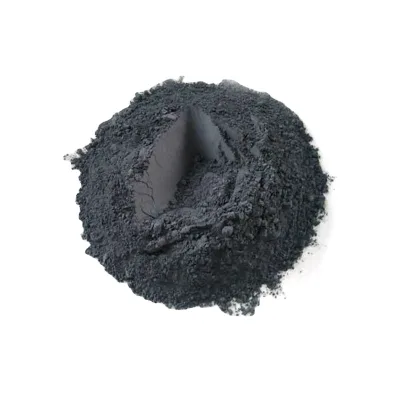
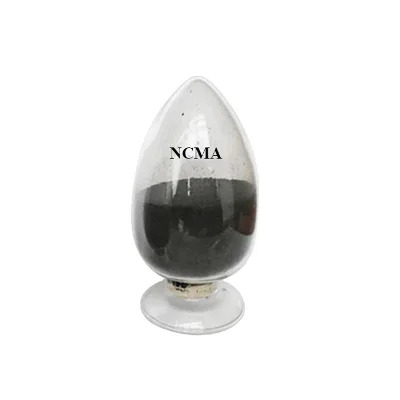
The purity level is 99.9% for industrial grade materials. This high purity ensures consistent electrochemical performance in battery cells. The material appears as a black powder with atmospheric stability. Buyers should verify specific batch certificates to confirm these standards for their manufacturing processes.
Can NCA cathode materials be customized for specific needs?
Yes, customization is available for various battery requirements. Manufacturers offer different sizes and packing options like vacuum sealing. This flexibility allows for tailored solutions in electric vehicle applications. Buyers can request specific specifications to match their cell design and performance goals.
What is the typical packaging for NCA cathode powder?
Packaging includes standard vacuum sealing and carton options. Some products use 25kg bags for industrial handling. Proper packaging protects the powder from moisture and contamination. This ensures the material remains stable during storage and transportation to battery manufacturing facilities.
Which certifications are common for NCA cathode suppliers?
Common certifications include CE, ISO9001, and Ohs standards. These certifications indicate compliance with quality and safety regulations. Buyers should verify these documents to ensure supplier reliability. Certified materials help maintain consistent quality in large-scale battery production for electric vehicles.
What is the first discharge capacity of NCA powder?
The first discharge capacity is more than 194.0 mAh/g. This high capacity supports efficient energy storage in battery cells. The material also shows an initial efficiency of more than 94%. These metrics are critical for evaluating the performance potential of NCA cathode materials.
Where are NCA cathode materials typically sourced from?
Materials are typically sourced from China, including Shandong province. This region hosts many manufacturers of battery raw materials. Buyers can find various suppliers offering different grades and specifications. Sourcing from established regions helps ensure supply chain stability and quality control.
What is the decomposition temperature of NCA cathode powder?
The decomposition temperature is 1080 degrees Celsius. This high thermal stability enhances safety in battery operations. It helps prevent thermal runaway under extreme conditions. Buyers should consider this property when designing battery systems for electric vehicles and other high-power applications.